We are dedicated to developing the next generation of genetic medicines to treat the root cause of human diseases.
Investors
Headquartered in South San Francisco, SonoThera raised $90M in its founding from a syndicate of top-tier venture capital and strategic investors. Now operating with a robust, wholly owned IP portfolio, partnerships with leading global ultrasound companies and highly capital efficient operations, SonoThera continues to attract and engage strong partnership interest across financial, scientific and academic sectors.
Our Investors









History
2025
 SonoThera’s latest preclinical data demonstrate the potential of its platform in Duchenne Muscular Dystrophy, Autosomal Dominant Polycystic Kidney Disease (ADPKD) , and Alport Syndrome, underscoring the breadth and translational readiness of its ultrasound-mediated gene delivery technology.
 The company establishes and trademarks its proprietary RIPPLE™ (Remote Induction of Pulsed Pressure Lateral to Energy) ultrasound platform, enabling precise, efficient, and safe gene delivery across multiple organ systems—laying the foundation for clinical translation.
2024
 SonoThera establishes advanced payload design, engineering, and manufacturing capability in-house for DNA, RNA, siRNA, and gene editing modalities.
 Preclinical data validate targeted, durable, redosable gene expression in kidney, heart, muscle, brain, and liver, demonstrating exceptional safety and efficacy.
 Further studies show SonoThera can deliver diverse genetic payloads without size restriction in models of Hemophilia A and X-linked Alport Syndrome.
2023
 SonoThera achieves full vertical integration of payload development, in vitro screening, in vivo pharmacology, and analytical workflows, enabling extremely rapid design-build-test-learn iteration cycles.
 The company initiates public presentations of preclinical data, demonstrating the feasibility and precision of ultrasound-mediated gene delivery.
2022
 SonoThera completes a $60.75M Series A, officially launching to develop a nonviral, ultrasound-mediated gene-delivery platform enabling safe, targeted, redosable, and economical genetic medicines, building on decades of clinical experience with more than 35 million UEAs safely used annually in U.S. diagnostic cardiac imaging.
Leadership Team
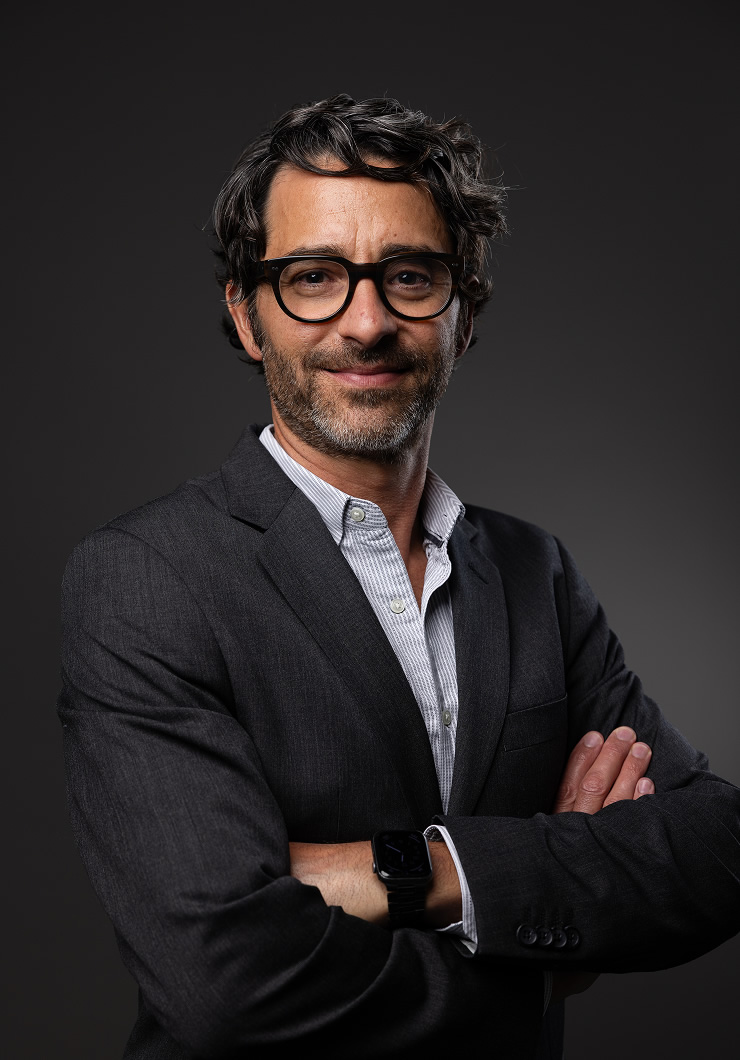
Kenneth Greenberg, PhD
Chief Executive Officer
& Co-Founder
Kenneth Greenberg, PhD
Chief Executive Officer
& Co-Founder
Dr. Kenneth Greenberg is Co-Founder, President, and CEO of SonoThera. He has spent more than 20 years building companies and advancing innovative therapies across diverse disease areas and modalities, including viral and non-viral gene therapy, gene editing, oligonucleotides, recombinant proteins, immunotherapy, and small molecules.
Prior to founding SonoThera, Dr. Greenberg led External Innovation efforts in Cell & Gene Therapy at Janssen (Johnson & Johnson) for Western North America, Australia, and New Zealand, supporting strategic partnerships in Cell & Gene Therapy, Antibody & Protein Therapeutics, Gene Editing, and CMC across all therapeutic areas. Prior to Janssen, he created and led the neuroscience discovery program at UNITY Biotechnology, advancing senolytic and protein-based therapeutic programs for neurodegenerative and neuropsychiatric disorders.
Earlier in his career, Dr. Greenberg co-founded CODA Biotherapeutics, where he led financing and strategic company-building efforts, directed preclinical discovery, and co-invented an AAV-based chemogenetic neuromodulation platform for neuropathic pain, epilepsy, and other neurological disorders. He also co-founded Oncorus, where he helped lead financing, directed scientific strategy, and co-invented a microRNA-attenuated HSV-based oncolytic immunotherapy platform.
Dr. Greenberg earned his Ph.D. in Visual Neuroscience and completed a Kirschstein-NRSA postdoctoral fellowship in MCB Neurobiology at the University of California, Berkeley. He is an inventor on over two dozen patents and patent applications, co-authoring more than 50 scientific publications.
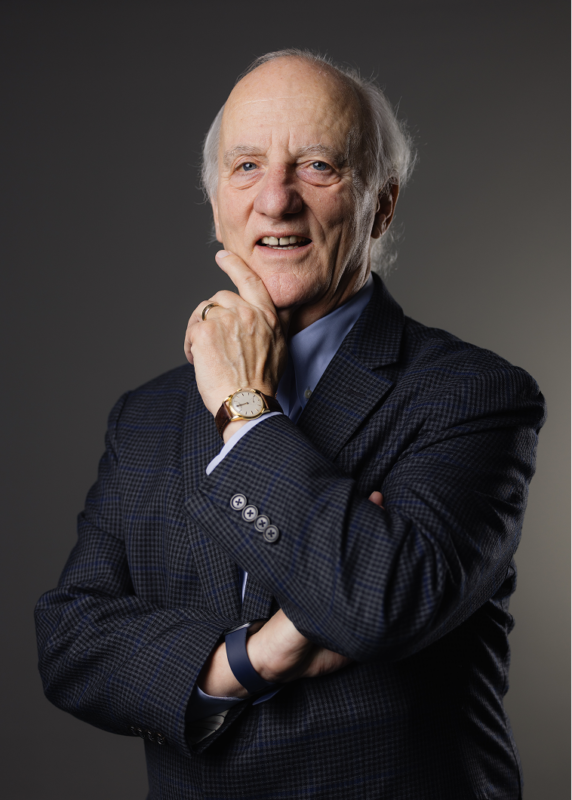
Steve Feinstein, MD
Chief Scientific Officer
& Co-Founder
Steve Feinstein, MD
Chief Scientific Officer
& Co-Founder
Dr. Feinstein is the inventor of the first two FDA-approved ultrasound microbubble agents (Albunex® and Optison®), which were acquired by GE Healthcare. With nearly thirty years of experience in the development and clinical utilization of ultrasound-enhancing microbubbles, Dr. Feinstein is considered the world’s foremost expert in the field. He founded and is Co-President of the International Contrast Ultrasound Society, a medical professional society with members in 60 countries and an exclusive focus on the utilization of ultrasound microbubbles for imaging and therapy. He also is the founder and Director of the oldest and largest international academic “Bubble Conference,” held annually in Chicago. Dr. Feinstein lectures frequently throughout the world on ultrasound microbubbles and has more than 300 publications in high-impact, peer-reviewed journals. A prolific researcher with NIH funding, Dr. Feinstein has been instrumental in expanding utilization of ultrasound microbubbles throughout the world. Dr. Feinstein also has been called upon to meet with FDA staff on numerous occasions and provide information on microbubble safety and benefits. Dr. Feinstein was the lead author of a white paper requested by FDA staff that led to favorable label changes (Optison®, Definity®, Lumason®). In addition, he co-authored a second white paper requested by FDA staff that led to the first approval of an ultrasound microbubble (Lumason®) for pediatric imaging; the approval was granted without prospective pediatric clinical trials. Dr. Feinstein has been a consultant to numerous pharmaceutical clinical trials and is a co-investigator of a clinical trial involving the use of microbubbles and sonoporation to deliver oncology drugs. Dr. Feinstein earned his medical degree from the University of Minnesota and completed his internship and residency in internal medicine at Michael Reese Hospital in Chicago, where he was intern of the year. He also completed his fellowship in cardiology at the University of California-Los Angeles/Wadsworth Veterans Administration. Dr. Feinstein has received numerous awards and recognition for his research and clinical achievements.
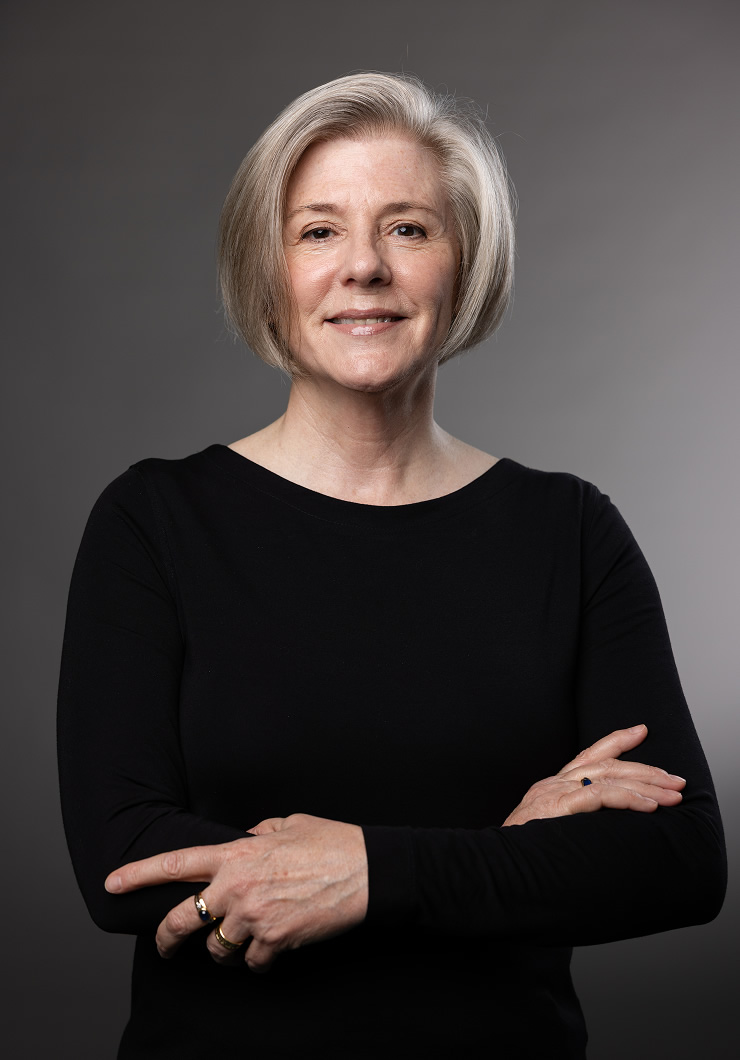
Carolyne Zimmermann
Chief Business Officer
Carolyne Zimmermann
Chief Business Officer
Carolyne Zimmermann is Chief Business Officer at SonoThera, bringing 20+ years of global life science leadership in corporate strategy, business development and venture investment across early research through clinical and commercial stages.
Before joining SonoThera, she served as Chief Business Officer at 4D Molecular Therapeutics where she led business development, alliance management and early commercial functions including new product portfolio planning, business intelligence and patient advocacy. Prior to that she was Vice President of Transactions and Innovation at Johnson and Johnson’s West Coast Innovation Center shaping and executing external growth strategies for Janssen Pharmaceuticals.
Earlier in her career, Carolyne was Head of Business Development for Novartis’ Global Cardiovascular and Metabolic Franchise where she drove franchise wide partnering and growth strategies and expanded pipeline optionality through strategic partnerships and investments. She also served as General Partner and founding member of dRx Capital, a digital health focused venture fund jointly established by Novartis and Qualcomm where she led the firm’s initial investments and pioneering new partnership models at the intersection of biopharma, technology, and data-driven healthcare.
Carolyne holds a bachelor’s degree in engineering sciences from the University of California, San Diego and an MBA from Columbia Business School in New York.
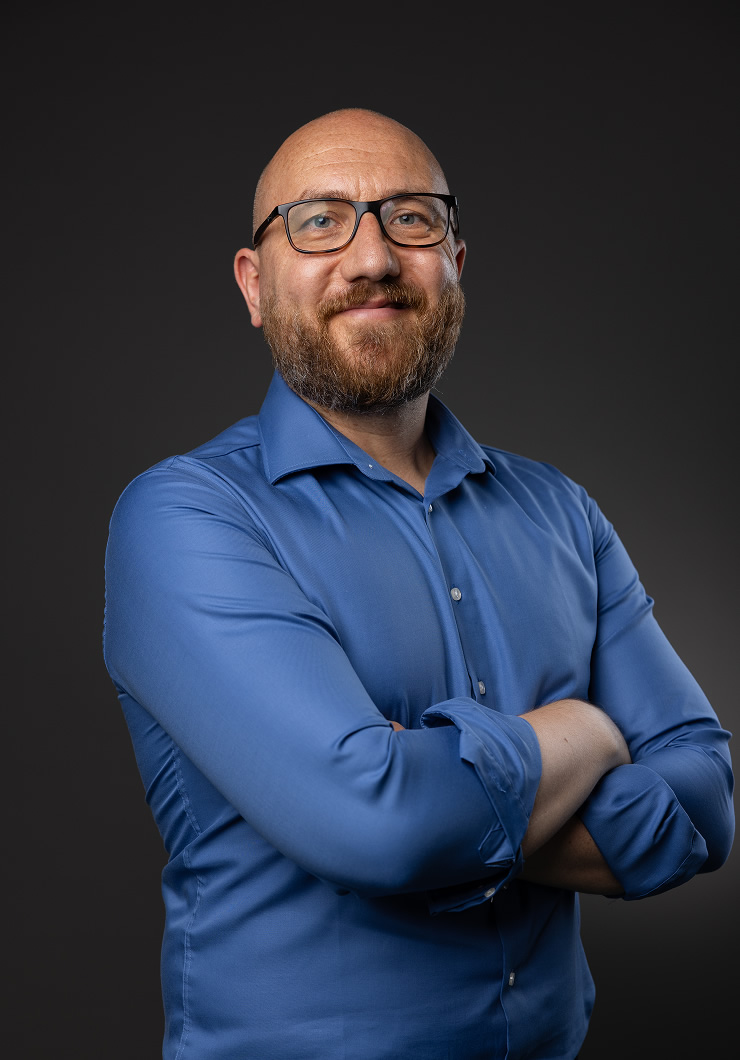
Marco Crosariol
VP, Head of Operations
Marco Crosariol
VP, Head of Operations
Marco Crosariol is an accomplished scientific operations leader with over a decade of experience in preclinical research and drug development. Most recently, he served as Senior Director of Research and Technology Operations at Spark Therapeutics, where he led cross-functional teams and implemented scalable infrastructure to support gene therapy development. At Spark, Marco played a key role in optimizing resource allocation, streamlining operational processes, and establishing core capabilities such as scientific writing, outsourcing strategy, and next-generation sequencing. His career reflects a deep commitment to operational excellence and scientific integrity at the intersection of biotech innovation and organizational leadership. Marco holds a bachelor’s degree and master’s degree in biotechnology from Università di Padova, Italy.
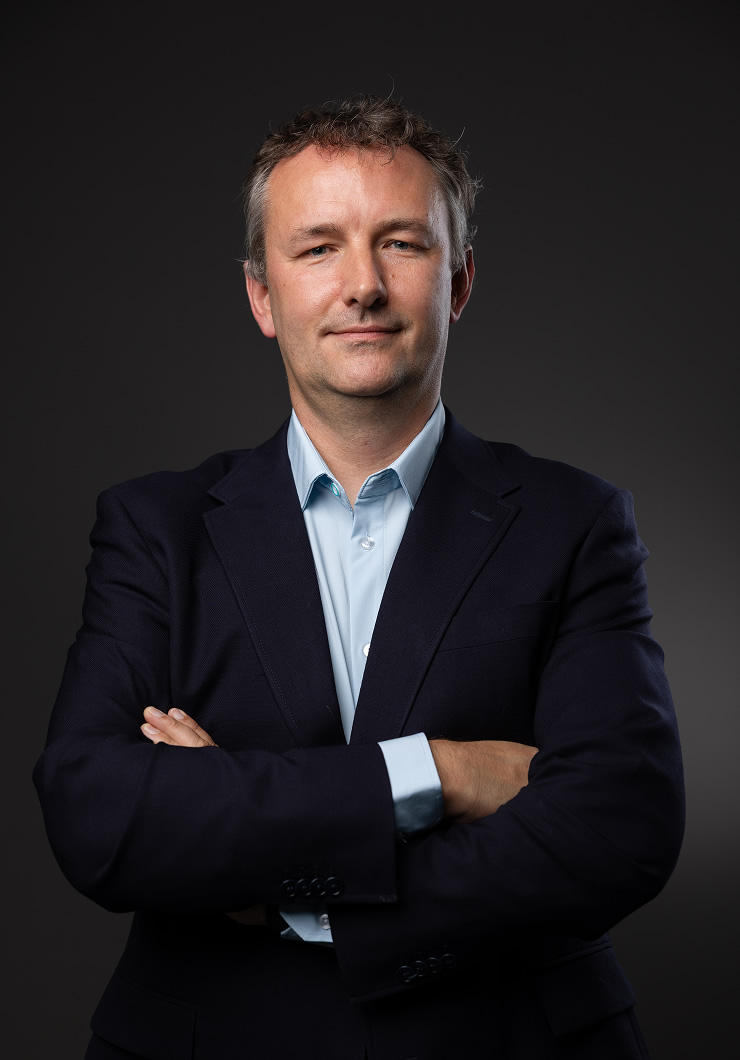
Ivan Krivega, PhD
VP Gene Therapy
Ivan Krivega, PhD
VP Gene Therapy
Dr. Krivega brings more than 15 years of experience in team leadership, applied research, and gene therapy-based drug discovery in various therapeutic areas. Prior to joining Sonothera, Ivan was the Senior Scientist for non-viral gene therapy at BioMarin Pharmaceutical, a gene therapy company, where he established and oversaw non-viral gene therapy development programs for various therapeutic areas along with supporting various viral gene therapy research programs. Prior to BioMarin, he held multiple roles of increased responsibility at Sangamo Therapeutics, a gene editing and viral gene therapy company, leading cross-functional teams developing in vivo gene editing therapeutics for neural, lysosome, and metabolic disorders.
Dr. Krivega obtained a master’s degree in Genetics from the Lomonosov Moscow State University (Russia). He received a Ph.D. in Molecular Genetics from the Institute of Gene Biology (Russian Academy of Science). His postdoctoral training at the NIH intramural research program was focused on developing small molecules, cell and gene-based therapeutics for sickle cell disease. Dr Krivega is an inventor on over dozen patents and patent applications and has co-authored over thirty journal articles and conference presentations.
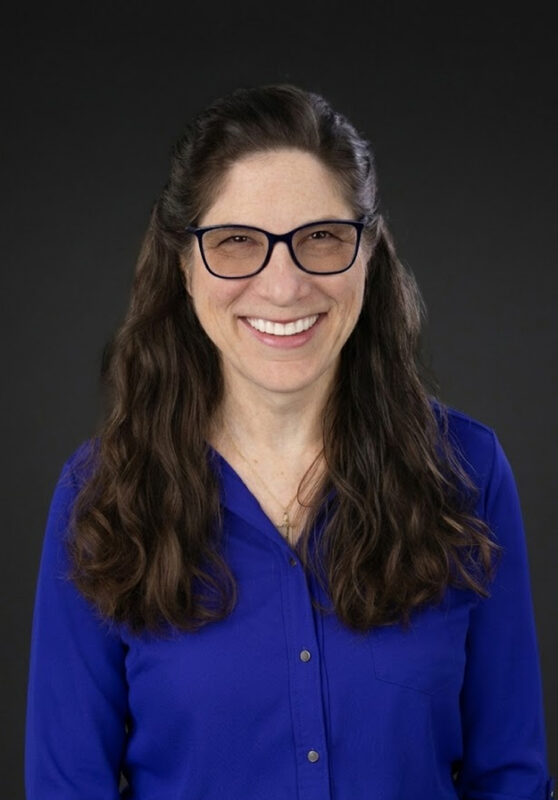
Nancy Jorgesen
Senior Vice President,
Head of Product Development
Nancy Jorgesen
Senior Vice President,
Head of Product Development
Nancy Jorgesen specializes in biotech product development strategy, leading cross-functional teams, portfolio management and alliance management. With over 35 years of experience in the industry, Nancy’s passion is to help biotech companies progress a therapeutic candidate from early research through human clinical trials, regulatory submissions and ultimately commercial launch. Over her tenure, Nancy has led numerous product development teams, resulting in a strong understanding of the interdisciplinary dependencies and nuances of drug development. Her therapeutic areas of expertise include Oncology, Rheumatology, Dermatology, Animal vaccines, Cardiovascular, gene therapy, combination products, medical device and rare orphan diseases. Modalities include small molecules, biologics, vaccines and synthetic drugs. Nancy has been a key contributor to numerous IND submissions, NDAs, BLAs and global regulatory submissions. Early in her career, Nancy was a bench scientist responsible for developing recombinant DNA vectors for Amgen’s new therapeutic candidates in oncology and rheumatology. She later became a member of Amgen’s Kineret® product development and launch team and a member of the company’s Rheumatology Franchise Leadership Team. At Kythera Biotherapeutics, she served for nine years as the Product Development Team Leader of the company’s blockbuster product, Kybella®, from early preclinical through marketing authorization & commercialization. She advanced in responsibility to Vice President overseeing numerous product team leaders, managed external alliances and participated in the company’s IPO and NASDAQ ceremony. Nancy later served as Atara Bio’s Vice President of Program Management/ Alliance Management and was the product team leader of the then clinical stage allogeneic T-cell immunotherapy product, Tabelecleucel®. Nancy served in a similar executive leadership role at Aadi Biosciences managing the company’s development portfolio and lead oncology product, Fyarro® from late-stage clinical trials through regulatory submission approval and commercialization. For the last eight years, Nancy has run a successful consulting business where she has supported start-up biotech companies at various stages of development. Nancy holds a bachelor’s degree in microbiology and Genetic Engineering, a Master’s in Biochemistry/Molecular Biology from the University of California, Santa Barbara as well as an MBA in Finance and Business Strategy from the University of Illinois, Urbana-Champaign.
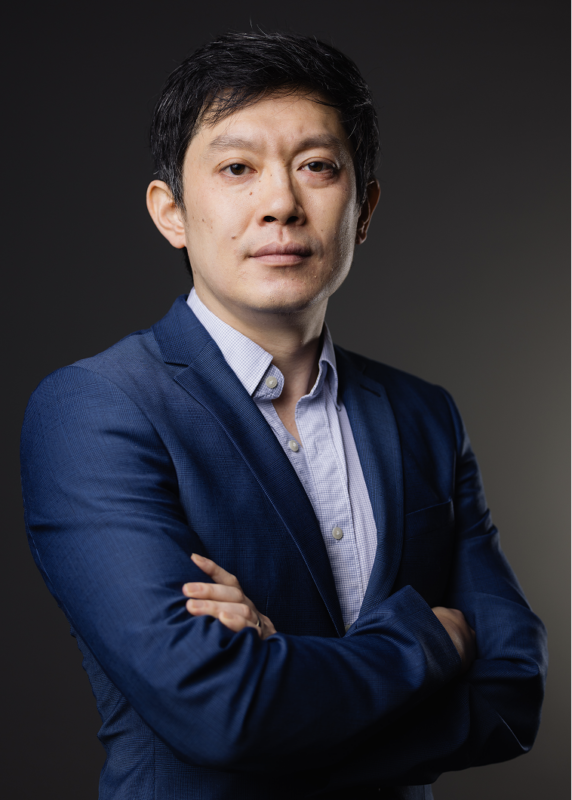
Shawn Fu, MD
VP, Corporate Development,
Head of Strategy
Shawn Fu, MD
VP, Corporate Development,
Head of Strategy
Dr. Fu brings with him a wide array of experience ranging from his training as an Anesthesiologist, time spent in consulting, equity research, as well as Venture Capital. Prior to joining SonoThera, Dr. Fu was a Vice President at Vertex Ventures Health Care focusing on platform technologies and genetic medicines where he led investments and held board positions across both biotech and medtech opportunities, including, among others, SonoThera, Allay Therapeutics, and SpyGlass Therapeutics. Previously, Dr. Fu served as Vice President on JP Morgan’s Equity Research desk covering large / SMid Cap Biotech.
Dr. Fu obtained his medical degree from UT Southwestern Medical School and his bachelor’s in biology/economics from Duke University.
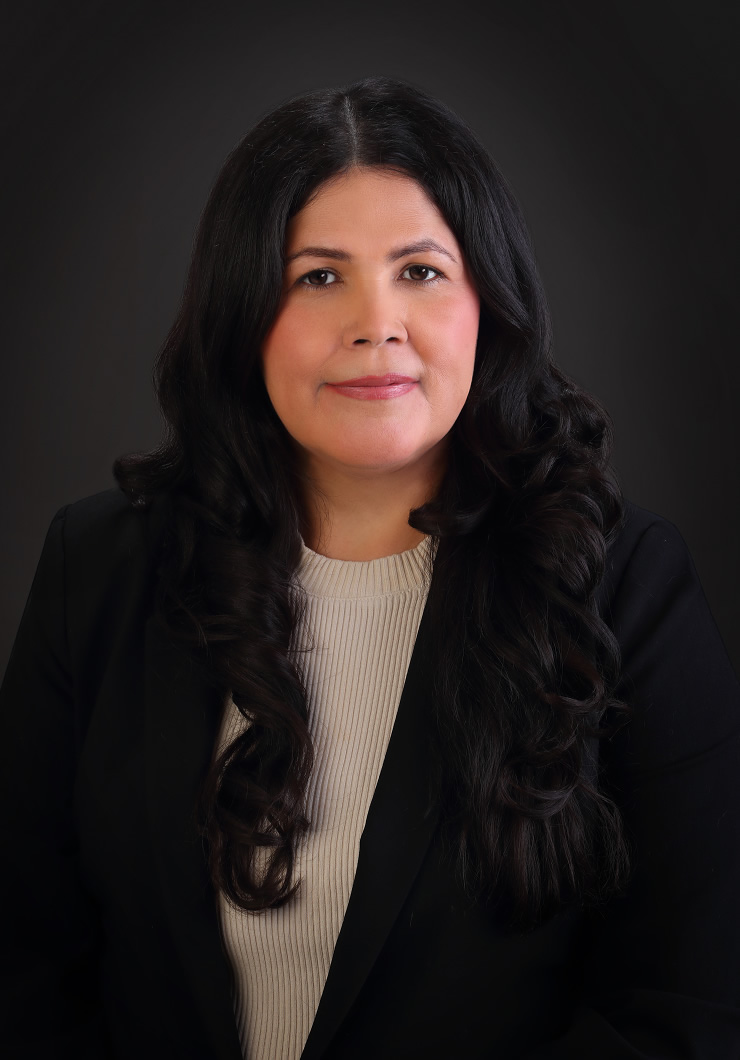
Sandra Rivas, MS, RAC
VP, Head of Regulatory
Sandra Rivas, MS, RAC
VP, Head of Regulatory
Sandra Rivas is an accomplished regulatory affairs leader with over 20 years of experience in the biotech and pharmaceutical industry. She has a strong regulatory background and has supported all phases of drug development with core expertise in rare diseases and oncology. Sandra is known for her strategic mindset, regulatory acumen, and ability to lead high-performing teams through complex regulatory landscapes.
Prior to joining SonoThera, Sandra was a Senior Director of Regulatory Affairs at Sarepta Therapeutics, where she led a team of regulatory professionals and led complex regulatory strategies for gene therapy programs in development.
Prior to Sarepta, she held various leadership roles at BeiGene, Precision for Medicine, and Halloran Consulting, where she directed global regulatory projects, managed multidisciplinary teams, and led various initial IND and BLA applications. Her expertise spans interactions with health authorities across the US, EU, and ROW leading global marketing applications and clinical trial approvals.
Sandra holds a master’s in clinical science from the University of California, San Diego, and a Bachelor of Science in Biological Science from California State University, Los Angeles.
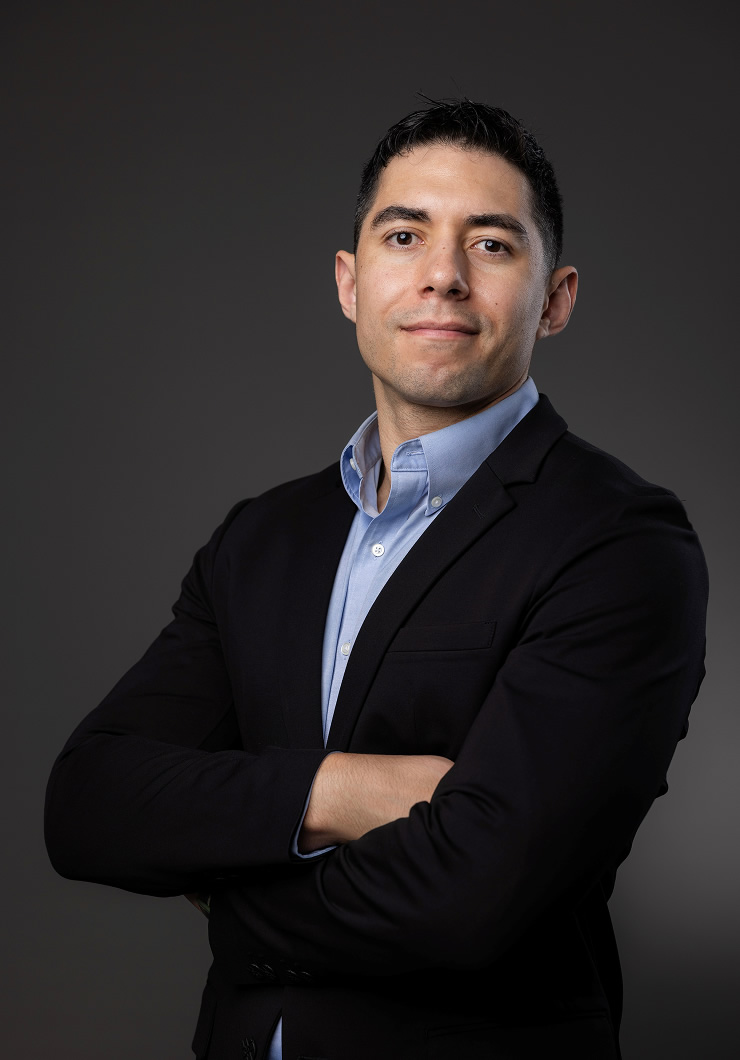
Dustin Luettgen
Director of Legal
& Intellectual Property
Dustin Luettgen
Director of Legal
& Intellectual Property
Dustin Luettgen serves as Director of Legal & Intellectual Property at SonoThera, where he provides strategic counsel across all aspects of the Company’s legal and IP functions. Dustin brings deep expertise in intellectual property strategy, corporate law, and life sciences transactions, coupled with a strong technical foundation in chemical and bioengineering to help guide SonoThera’s growth and partnerships in developing its ultrasound-mediated genetic medicine delivery technology. He has led the creation of a broad patent estate protecting SonoThera’s technology and pipeline, providing strategic guidance supporting financings and pharmaceutical partnerships, positioning the Company’s innovations for successful clinical and commercial translation.
Prior to joining SonoThera, Dustin practiced at Wilson Sonsini Goodrich & Rosati, where he advised early to late stage therapeutics, biotechnology and medical technology companies on patent strategy, financings, acquisitions, and investor diligence, and at Womble Bond Dickenson LLP (fka Lewis Roca LLP), where he supported IP portfolio development across patent, trademark, copyright, and trade secret matters, and provided litigation support to IP and commercial disputes.
Dustin holds a J.D., magna cum laude, from Northwestern School of Law of Lewis & Clark College and a B.S., magna cum laude, in Chemical Engineering with a concentration in Bioengineering from the University of New Mexico. He is admitted to practice in California and before the U.S. Patent and Trademark Office.
Board of Directors

Michael H. Davidson, MD, FAAC
Executive Chairman,
SonoThera Co-Founder
Michael H. Davidson, MD, FAAC
Executive Chairman,
SonoThera Co-Founder
Dr. Davidson is Professor of Medicine and Director of the Lipid Clinic at the University of Chicago. He also serves as Chief Executive Officer of NewAmsterdam Pharma. Dr. Davidson is a leading expert in the field of Lipidology. He has conducted over 1000 clinical trials, published more than 350 medical journal articles and written three books on Lipidology. His research background encompasses both pharmaceutical and nutritional clinical trials including extensive research on statins, novel lipid-lowering drugs, and omega-3 fatty acids. Dr Davidson is a serial biotech entrepreneur, founding three companies, Chicago Center for Clinical Research, which became the largest investigator site in the United States and was acquired by Pharmaceutical Product Development in 1996, Omthera Pharmaceuticals in 2008 that was acquired by Astra Zeneca Pharmaceutical in 2013 for $440M and most recently, he was CEO/CSO of Corvidia Therapeutics which was acquired by Novo Nordisk for up to $2.1B in 2020. He is also an Independent Director of NASDAQ listed Caladrius BioScience Tenax Therapeutics and Silence Therapeutics. He also serves on the board of two private biotech companies, Sonothera and NanoPhoria Bioscience.
Dr. Davidson is board-certified in internal medicine, cardiology, and clinical lipidology. He was President (2010-2011) of the National Lipid Association, named as one The Best Doctors in America for the past 20 years and “Father of the Year” by the American Diabetes Association, 2010.

Steven Gillis, PhD
ARCH Venture Partner
Steven Gillis, PhD
ARCH Venture Partner
Dr. Gillis joined ARCH as a Venture Partner in 2005 and became a Managing Director in 2006. He is focused on the evaluation of new life science technologies and on the development and growth of ARCH’s biotechnology portfolio companies.
He is a director of Homology Medicines (FIXX) and Carrick Therapeutics. He serves as director and Chairman of Codiak Biosciences (CDAK), Faraday Pharmaceuticals, eGenesis, HiberCell, Skylark Bio, Walden Biosciences, OncoResponse, Mozart Therapeutics, Bitterroot Bio and VBI Vaccines (VBIV). Dr. Gillis also serves as a director of Takeda Pharmaceuticals (TAK).
Dr. Gillis was a founder and director of Corixa Corp. and served as CEO from its inception and as its Chairman from 1999 until its acquisition in 2005 by GlaxoSmithKline. Prior to Corixa, Dr. Gillis was a founder and director of Immunex Corp., the most successful venture-funded biotech company in the state of Washington. From 1981 until his departure in 1994, he served as Immunex’s Director of Research and Development, Chief Scientific Officer, and as CEO of Immunex’s R&D subsidiary. Dr. Gillis was interim CEO of Immunex Corp. following its majority purchase by American Cyanamid Co. and remained a member of the board until 1997. Amgen, Inc. acquired Immunex in 2002.

Kenneth Greenberg, PhD
SonoThera Chief Executive Officer, Co-Founder
Kenneth Greenberg, PhD
SonoThera Chief Executive Officer, Co-Founder
Dr. Kenneth Greenberg is Co-Founder, President, and CEO of SonoThera. He has spent more than 20 years building companies and advancing innovative therapies across diverse disease areas and modalities, including viral and non-viral gene therapy, gene editing, oligonucleotides, recombinant proteins, immunotherapy, and small molecules.
Prior to founding SonoThera, Dr. Greenberg led External Innovation efforts in Cell & Gene Therapy at Janssen (Johnson & Johnson) for Western North America, Australia, and New Zealand, supporting strategic partnerships in Cell & Gene Therapy, Antibody & Protein Therapeutics, Gene Editing, and CMC across all therapeutic areas. Prior to Janssen, he created and led the neuroscience discovery program at UNITY Biotechnology, advancing senolytic and protein-based therapeutic programs for neurodegenerative and neuropsychiatric disorders.
Earlier in his career, Dr. Greenberg co-founded CODA Biotherapeutics, where he led financing and strategic company-building efforts, directed preclinical discovery, and co-invented an AAV-based chemogenetic neuromodulation platform for neuropathic pain, epilepsy, and other neurological disorders. He also co-founded Oncorus, where he helped lead financing, directed scientific strategy, and co-invented a microRNA-attenuated HSV-based oncolytic immunotherapy platform.
Dr. Greenberg earned his Ph.D. in Visual Neuroscience and completed a Kirschstein-NRSA postdoctoral fellowship in MCB Neurobiology at the University of California, Berkeley. He is an inventor on over two dozen patents and patent applications, co-authoring more than 50 scientific publications.

Brian Halak, PhD
MEC
Brian Halak, PhD
MEC
Dr. Halak has been creating, investing into, and guiding early-stage life science companies for over 20 years. He recently joined Medical Excellence Capital to help create a differentiated life-sciences venture capital fund that derives unique benefits from its proprietary network of leading physicians and academic medical centers.
As a part of Domain Associates since 2001, and a Partner since 2006, Dr. Halak has invested in over a dozen companies, several of which he helped create. He and partner Eckard Weber, licensed assets from a Japanese pharmaceutical company to create Tobira Therapeutics, which was eventually acquired by Allergan in 2016, for up to $1.7 billion. Brian also established and directed Domain’s prior initiatives in China including its collaboration with Beijing Elite to create new medical device companies in China based on technology licensed from US and European markets. One such company, Elite Neurovascular, was successfully sold to Terumo Corporation in 2017. Additionally, Brian joined with two scientific founders at Johns Hopkins University to create WindMIL Therapeutics, which is developing a novel cell therapy to treat a variety of cancers. Brian served as President and CEO of WindMIL from 2015 to early 2019, during which time he raised $43.5MM in two rounds of financing. Most recently, Brian formed Nobias Therapeutics alongside co-founders from Children’s Hospital of Philadelphia to develop drugs to treat rare pediatric disease. Other investments where Brian has served on the Board of Directors include: Esprit Pharma (acquired by Allergan), Dicerna Therapeutics (Nasdaq: DRNA), Alimera Sciences (Nasdaq: ALIM), and Vanda Pharmaceuticals (Nasdaq: VNDA). Brian remains involved as a Partner managing all existing Domain funds.
Prior to Domain, Dr. Halak was an associate with Advanced Technology Ventures where he participated in the firm’s investments in Plexxikon, Percardia and Emphasys. Previous to that, he was a consultant at the Wilkerson Group, where he developed strategy for pharmaceutical and medical device companies. He received his B.S.E. in bioengineering from University of Pennsylvania and his Ph.D. in immunology from Thomas Jefferson University.
Dr. Halak is currently a member of the Advisory Board for the Department of Bioengineering of the University of Pennsylvania and an advisor to Elm Street Ventures, an early-stage venture fund with close ties to Yale University. He also teaches a course on entrepreneurship at the University of Pennsylvania to undergraduate and graduate students in the School of Engineering.

Lori Hu, MBA
Vertex Ventures HC
Lori Hu, MBA
Vertex Ventures HC
Lori Hu is a Managing Director at Vertex Ventures HC (VVHC), leading global healthcare investments based in San Francisco. She joined VVHC in 2015 as part of the founding team to establish a US presence and has led or co-led over a dozen investments across the biotech and medtech sectors. Lori serves on the board of directors for Indapta Therapeutics, Elevation Oncology (NASDAQ: ELEV), Neuspera Medical and Palleon Pharmaceuticals. She is a board observer for Moximed and previously served on the boards of Ivantis (acquired by Alcon for $475M) and Blackthorn (now Neumora). She supported Vertex’s investment in Twelve (acquired by Medtronic for $458 M).
Before VVHC, Lori was an Associate Director for Business Development at Bristol-Myers Squibb, identifying and executing licensing and partnership transactions based in Shanghai. Previously, she was a strategy consultant at Accenture, advising biopharmaceutical clines on strategic projects across the US and Asia.
Lori graduated with an MBA from The Wharton School, and MA in International Studies from the University of Pennsylvania. She also holds a BSE in Biomedical Engineering from Duke University.

Ron Mazumder, MBA, PhD
Illumina Ventures
Ron Mazumder, MBA, PhD
Illumina Ventures
Abhijit “Ron” Mazumder has been a Partner with Illumina Ventures since January 2023. He has invested in life science tools, diagnostics and therapeutics companies, primarily at the intersection between high throughput biology, genomics, and AI. He serves on the Board of Directors for Actym Therapeutics and Sonothera and for two companies in stealth mode. He is also a Board Observer for Attovia Therapeutics and several companies in stealth mode. Ron leads the Illumina Ventures Labs initiative (pre-Seed and Seed stage investing) in the US and the UK.
Prior to Illumina Ventures, Ron worked for Johnson & Johnson, Merck and Genentech, where he was most recently Vice President and Global Head of Oncology Biomarker Development and Companion Diagnostics, leading a global team of computational and translational scientists, working on assets that spanned from preclinical to Phase III and Medical Affairs, across the Genentech/Roche portfolio.
Ron obtained his B.A. from The Johns Hopkins University, his PhD from the University of Maryland, and his MBA from Lehigh University.

Lior Teitelbaum, MSc, MBA
JJDC
Lior Teitelbaum, MSc, MBA
JJDC
Lior Teitelbaum is Principal, Venture Investments at Johnson & Johnson Innovation – JJDC, Inc., where he is responsible for investments in the MedTech, Pharmaceutical, and Biotechnology spaces across Israel/Europe. He brings over 18 years of experience in founding, financing and operating in early-stage life sciences companies.
Prior to joining JJDC, Lior was the CBO of FutuRx, a JJDC associated Biotech company creation incubator, where he was responsible for all search & evaluation, transaction and company creation activities as well for FutuRx’s SAB management. He was also responsible for Business Development activities and fundraising for all of the FutuRx portfolio companies and for all BD activities of the FutuRx incubator.
Previously, Lior was Co-founder and VP BD of MindUP, a digital health incubator founded by IBM, Medtronic Pitango ventures and the Rambam Medical centre where he was responsible for deal flow search and evaluation, company creation, investment transactions and BD for the incubator and all of its portfolio companies.
Scientific Advisory Board

Flemming Forsberg, PhD
Flemming Forsberg, PhD
Flemming Forsberg (Senior Member, IEEE) was born in Copenhagen, Denmark, in October 1961. He received the M.Sc. degree in electronic engineering and the Ph.D. degree in biomedical engineering from the Technical University of Denmark, Lyngby, Denmark, in 1987 and 1990, respectively.,From 1987 to 1990, he has worked on Doppler ultrasound signal processing at the Electronics Institute, Technical University of Denmark, before becoming a Postdoctoral Research Fellow at the King’s College, London, U.K., from 1990 to 1991. After a year in private industry, developing an intravascular imaging system, he went to the Department of Radiology, Thomas Jefferson University, Philadelphia, PA, USA, in 1992, as an Ultrasound Physicist. He is currently a Professor of radiology, and his research focuses on ultrasound contrast agents, subharmonic imaging, quantitative contrast measurements, and novel clinical imaging modes.,Dr. Forsberg is a fellow of the American Institute of Ultrasound in Medicine (AIUM) as well as the American Institute for Medical and Biological Engineering (AIMBE). In 2015, he received the Joseph H. Homes Pioneer Award in basic science from the AIUM. In 2018, he presented the New Horizons lecture at the Annual Meeting of the Radiological Society of North America. He is a member of the Editorial Board of “Ultrasonic Imaging” as well as the Deputy Editor of Basic Science of the Journal of Ultrasound in Medicine.

Mark A. Kay, MD, PhD
Mark A. Kay, MD, PhD
Mark A. Kay, M.D., Ph.D., is the Dennis Farrey Family Professor in the Departments of Pediatrics and Genetics, and Head of the Division of Human Gene Therapy in Pediatrics at the Stanford University School of Medicine. Professor Kay received his M.D.-Ph.D. at Case Western Reserve University and completed a residency in pediatrics, fellowship in medical genetics and inborn errors of metabolism, and post-doctoral research at Baylor College of Medicine. Dr. Kay was an assistant/associate professor at the University of Washington in the Department of Medicine from 1993-1998 before moving to Stanford. Dr. Kay’s group has published over 275 papers in leading journals. Dr. Kay is most well-known for his contributions in the field of gene-based therapeutics and non-coding RNA biology specifically related to microRNA biogenesis and tRNA derived small RNAs.
Dr. Kay is one of the founders of the American Society of Gene and Cell Therapy and served as the President in 2005-2006 and received the society’s outstanding investigator award in 2013. In 2021, he was elected to the National Academy of Inventors.

David Schaffer, PhD
David Schaffer, PhD
David Schaffer is the Hubbard Howe Professor of Chemical and Biomolecular Engineering, Bioengineering, and Molecular and Cell Biology at the University of California, Berkeley, and he also serves as the Executive Director of QB3 and the Director of the Bakar Bioenginuity Hub and Bakar Labs. He received a B.S. from Stanford University in 1993 and a Ph.D. from MIT in 1998, both in chemical engineering. He then conducted a postdoctoral fellowship at the Salk Institute for Biological Studies before joining Berkeley in 1999. There, he applies engineering principles to optimize gene and stem cell therapies, work that includes developing the concept of applying directed evolution to engineer targeted and efficient viral gene therapy vectors as well as new technologies to investigate and control stem cell fate decisions. He has published >240 papers, has advised >90 graduate students and postdoctoral fellows, is an inventor on >50 patents, and developed technologies that are being used in 8 human clinical trials. In addition, he has co-founded eight companies, including 4D Molecular Therapeutics (NASDAQ FDMT), Ignite Immunotherapies (acquired by Pfizer) and Rewrite (acquired by Intellia). Finally, has received recognitions including the National Academy of Inventors, Andreas Acrivos Professional Progress Award, the American Institute of Chemical Engineers Pharmaceutical and Bioengineering Award, the American Chemical Society Marvin Johnson Award, and the Biomedical Engineering Society Rita Shaffer Young Investigator Award.

Benjamin C. Yaden, PhD
Benjamin C. Yaden, PhD
Dr. Yaden leads the Search and Evaluate efforts in Diabetes, Complications and Metabolic Research at Eli Lilly and Company, where he is responsible for leading the external strategy and implementation of Lilly’s Diabetes, Obesity and Complications portfolio.
He has 19 years of drug discovery experience in a multitude of disease areas (men’s health/urology, skeletal muscle wasting, diabetes, fibrosis, and metabolism). He has championed several programs to the clinic and was also the discovery lead for the Cialis programs. During his time at Lilly, he had either led or co-developed a myriad of targets including enzymes, nuclear hormone receptors, proteins/biotherapeutics, neutralizing antibodies and peptides.
Dr. Yaden is passionate about seeking partnerships with biotechnology companies to identify emergent scientific fields and portfolio opportunities that ultimate lead to indication expansion in the core therapeutic areas. Furthermore, he continues to build networks and relationships with venture funds for partnership and co-investment prospects in addition to managing the out-licensing efforts and external development strategy.
He serves as an adjunct professor in the Biology Department at Purdue University where he investigates and collaborates with world leaders in hepatology to delineate TGFβ superfamily mechanisms around chronic liver/skeletal muscle injury and fibrosis.
He received his M.S. and Ph.D. from Purdue University with a focus on molecular endocrinology and inter-organ communication under physiological and pathological states.